The Homeowner-in-Training™ Roadmap
17 Steps to Go from Renting to Getting Ready for Homeownership
A beginner-friendly checklist for using a Lease with Option to Purchase as a potential path toward owning your home.
The Promise
Not mortgage-ready today? That's okay. Becoming a homeowner doesn't have to start with a mortgage application. It can start with a plan. This checklist will help you understand what to look for in a Lease with Option to Purchase, prepare your finances, evaluate the home and agreement, and use your lease period to work toward becoming mortgage-ready. A Lease with Option to Purchase may be one strategy worth exploring—but the goal isn't simply to sign a lease option. The goal is to become more prepared for homeownership.
Welcome, Homeowner-in-Training™
If you're renting today but want to own a home someday, you may feel like homeownership is still out of reach. Maybe your credit isn't where you want it. Maybe you haven't saved enough. Maybe a lender has already told you, "not yet." Or maybe you don't know what steps to take. That's exactly why the Homeowner-in-Training™ concept exists. You don't have to become a homeowner overnight. You can train for homeownership. That means using the time you have today to:
Understand what you can afford.
Improve your financial position.
Learn how lease options work.
Evaluate a property carefully.
Understand the agreement.
Prepare for future financing.
Make better decisions along the way.
The goal isn't simply to find a house. The goal is to become prepared to own one.
STAGE 1 — Know What You're Getting Into: Understand the Lease-Option Basics
Know What a Lease Option Really Is: Learn how a Lease with Option to Purchase works and understand the difference between renting a home and having the contractual right to purchase it.
Understand the Two Agreements: Understand the purpose of the:
Lease Agreement
Option to Purchase Agreement
These agreements work together, but they serve different purposes.
Learn the Key Terms: Become familiar with important terms such as:
Lease Agreement
Option Agreement
Option Fee
Purchase Price
Rent Credits
Option Period
Homeowner-in-Training™ Checkpoint
Before moving forward, make sure you can explain these terms in your own words:
Lease Agreement
Option Agreement
Option Fee
Purchase Price
Rent Credits
Option Period
If you don't understand a term, don't guess. Ask questions.
STAGE 2 — Start Training for Homeownership
Know Where You Stand Financially. Before pursuing a rent-to-own opportunity, understand your current financial position.
Know your credit score.
Review your credit report.
Identify issues that may need attention.
Know your monthly income.
Know your monthly expenses.
Know your existing debts.
Create Your Homeownership Budget. Don't ask only: "Can I afford the rent?" Ask: "Can I afford this while preparing to become a homeowner?" Consider your current expenses, future homeownership costs, savings goals, debt obligations, and emergency reserves.
Build Your Homeownership Fund:
Plan for expenses that may include:
Option fee
Emergency savings
Future closing costs
Moving expenses
Potential repairs and maintenance
STAGE 3 — Don't Fall in Love with the House Before You Evaluate the Deal
Inspect the Home: Have the property carefully inspected so you understand its condition and can identify potential problems before committing to the agreement.
Check Market Values: Research comparable properties and determine whether the proposed purchase price appears reasonable in relation to the local market.
Clarify Maintenance Responsibilities: Understand who is responsible for:
Routine maintenance
Repairs
Major systems
Yard maintenance
Emergency repairs
Property-related expenses.
Homeowner-in-Training™ Rule: The house isn't the deal. The house + price + option fee + rent + credits + contract terms + responsibilities + timeline are the deal. Don't let your excitement about the property overlook the terms of the agreement.
STAGE 4 — Know Exactly What You're Agreeing To
Verify the Purchase Price: Make sure you understand the purchase price stated in the agreement and how it relates to the property's value.
Understand Rent Credits: Determine whether rent credits are included and understand exactly how they are calculated and applied.
Review the Option Timeline. Know:
When the option begins.
When the option expires.
What deadlines apply.
What you must do to exercise the option.
Know What Happens If You Don't Buy: Understand what happens if you decide not to exercise your purchase option or are unable to complete the purchase.
Before You Sign Checklist
I know the purchase price.
I know the option fee.
I know whether the option fee is refundable.
I understand whether rent credits apply.
I understand how rent credits are calculated.
I know when the option expires.
I understand what happens if I don't purchase.
I understand who is responsible for repairs.
I understand all deadlines.
I have asked questions about anything I don't understand.
Don't assume that every lease-option agreement works the same way.
STAGE 5 — Stop Training Alone. Your Homeowner-in-Training™ Team.
Depending on your situation, your team might include a:
Real Estate Professional: Helps you understand the property and transaction.
Real Estate Attorney: Reviews the agreements and explains legal terms.
Mortgage Professional: Helps you understand what you may need to qualify for financing.
Inspector: Helps identify property problems and potential concerns.
Getting professional help isn't a sign that you don't know what you're doing. It's part of becoming a smart homeowner.
Hire a Real Estate Attorney. Consider having an attorney review your agreements before signing, particularly when you don't fully understand the legal language or obligations.
Speak With a Lender Early. Don't wait until the end of the lease period to learn what may be required to qualify for financing. A conversation with a mortgage professional can help you understand what you may need to accomplish during your Homeowner-in-Training™ period.
STAGE 6 — Use the Lease Period to Train for Ownership.
The lease period should be more than simply a period of time during which you make rent payments. Use this time to actively prepare for homeownership.
Every Month, Check Your Progress
Am I paying on time?
Has my credit improved?
Am I reducing debt?
Am I adding to savings?
Am I maintaining an emergency fund?
Have my income or expenses changed?
Am I still on track for my future financing goal?
Have I completed any action items my lender recommended?
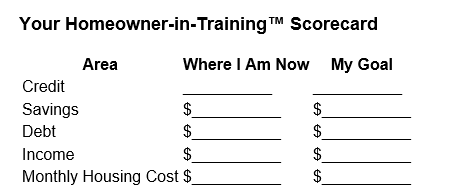
Prepare for Your Future Purchase. As your option period progresses, continue working toward your goal. Review your:
Credit
Savings
Debt
Income
Housing expenses
Financing readiness
Homeownership goals.
Your Goal Isn't Just to Reach the End of the Lease. Your goal is to reach the end of the lease better prepared than when you started.
3 Homeowner-in-Training™ Rules You Should Never Forget
Rule #1 — Don't Skip the Inspection. Small problems can become expensive problems. Take the time to understand the condition of the property before committing to the transaction.
Rule #2 — Don't Let the Dream Override the Numbers. A house you love isn't necessarily a deal you can afford. Evaluate the complete financial picture before committing.
Rule #3 — Don't Sign What You Don't Understand. If something is confusing, stop and get clarification or professional advice.
Bonus Rule #4 — Have a Plan for the Finish Line. Before entering a lease option, ask: "What specifically needs to happen for me to be ready to buy when my option period ends?" That's the question that turns a lease option into a Homeowner-in-Training™ plan.
My Homeowner-in-Training™ Readiness Checklist
I Understand the Strategy
I understand what a lease option is.
I understand the lease and option agreements.
I understand the major terms.
I'm Preparing Financially
I know my credit position.
I understand my budget.
I have a savings plan.
I understand the option fee.
I've Evaluated the Property
I've inspected the home.
I've researched comparable values.
I understand maintenance responsibilities.
I've Evaluated the Agreement
I know the purchase price.
I understand rent credits.
I know the option expiration date.
I understand what happens if I don't buy it.
I've Built My Team
I've sought appropriate legal advice.
I've spoken with a mortgage professional.
I'm Training During the Lease
I'm tracking my credit.
I'm building savings.
I'm managing debt.
I'm working toward mortgage readiness.
Congratulations. You're Officially in Training.
You don't have to have everything figured out today. The purpose of becoming a Homeowner-in-Training™ is to take the next smart step. Your next step might be improving your credit. It might be building your savings. It might be talking with a lender. It might be learning more about Lease with Option to Purchase. Or it might simply be understanding what you need to do before you're ready. The important thing is that you're no longer just hoping to become a homeowner. You're preparing for it.
Your Homeowner-in-Training™ Journey Starts Now.
Learn. Prepare. Act. Move Toward Ownership.